
CS2 trade-up contracts: when the math works and when it is a trap – Game Wisdom
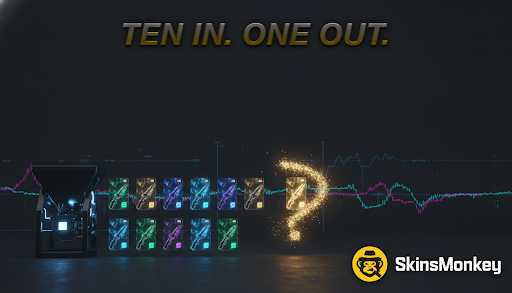
Ten CS2 skins entering a trade-up contract and one unknown result coming out
Ten skins go in. One comes out.
A CS2 trade-up contract converts ten skins of the same rarity into one random skin of the next tier up, drawn from the collections you put in. Whether that roll is a craft or a value shredder depends on how you use it.
What a trade-up contract actually does
A trade-up contract is a built-in crafting mechanic that consumes ten skins of one rarity and produces one random skin of the next rarity up. The rules are strict:
– All inputs share the same rarity tier, either all normal or all StatTrak, never mixed. – The result comes only from collections represented by your inputs. A collection is the fixed set of skins a case or map pool can produce, so your inputs define the whole outcome pool. – Since Valve’s October 2025 update, five Covert inputs roll a rare special item: a random knife or pair of gloves from the collections you fed in.
That last rule rewrote a decade of advice: a knife can now come out of a contract, but the model and finish remain a dice roll you cannot aim.
The math the contract screen never shows
Most contracts return a skin worth less than the ten inputs cost. The result is a random draw, and in a typical pool the cheap outcomes outnumber the expensive one you want, so the average roll lands low.
Fees deepen the hole. Buying inputs or selling results on the Steam Market hands roughly 15% of every sale to Valve (5% Steam plus 10% CS2), and the money stays locked in Steam Wallet rather than becoming cash. That is also why “profitable trade-up” lists age badly: prices move daily.
Float carries over, and it decides the result
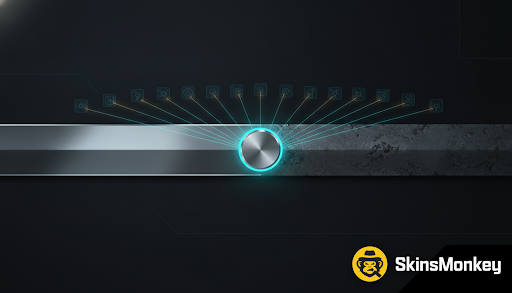
How the average float of ten inputs sets the wear of a trade-up result
Float is a number between 0.00 and 1.00 assigned to a skin when it enters the game, fixing how worn its finish looks forever. Floats sort into five wear tiers, from Factory New down to Battle-Scarred.
The contract does not roll a fresh float. It averages the normalized floats of your ten inputs and maps that average onto the float range of the result. Clean inputs push the outcome toward Factory New; scuffed ones drag the same skin a tier or two down.
When a contract is worth running
A contract earns its slot only when you price every outcome first and accept the worst case before you click. List the collections your inputs come from, list every skin the next tier can produce, and check what each side costs.
Treated that way, the contract is a craft: a known amount paid for a known probability spread, the way a card player counts outs instead of praying.
One more check before you commit. If you are chasing a specific finish, say one of the best M4A1-S skins, price the direct trade first. When ten inputs cost more than the target itself, the contract has lost the argument.
When it is a slot machine in disguise
The trap version looks like this: a player loses value on a roll, feels the sting, and immediately runs another contract to win it back. That is a variable-reward loop, the pattern that keeps people pulling levers.
The knife contract is the newest lever. Five Covert skins are an expensive ticket for a random model, and the new supply has already pushed knife prices down. Cases remain the older sibling, with rare special item odds under 1%, around 0.26%. A simple tell separates craft from trap: if you priced the outcomes and can shrug at the worst one, you are crafting. If you are rolling to repair a previous roll, stop.
The deterministic alternative: trade for the exact skin

Rolling a random trade-up outcome versus picking the exact skin in a trade
Every weakness of the contract comes from one source: you cannot pick the output. Instant trading removes that variable. A bot trade is an exchange against a platform’s own inventory, so the skin you selected is the skin you receive.
That is why guides to CS2 trade-up contracts increasingly end at the same fork: roll for a random upgrade, or swap spare skins directly for the one you want. The spread, the gap between a platform’s buy and sell valuations, is where a trading site earns its margin; compare it before you accept. On SkinsMonkey a swap covers CS2, Rust and TF2 items and clears in under two minutes.
The contract still has a place. Use it when the math checks out, and trade when you already know what you want.
FAQ: trade-up contracts
Can a CS2 trade-up contract give you a knife?
Yes, since October 2025. A contract of five Covert skins returns a random knife or pair of gloves drawn from the collections of the inputs, and five StatTrak Coverts return a StatTrak result. You cannot choose the model or finish. Before that update, contracts topped out at Covert and cases, with odds under 1%, were the only source.
Do trade-up contracts make money?
Most contracts return a skin worth less than the ten inputs cost. The result is a random draw, cheap outcomes outnumber expensive ones, and the roughly 15% Steam Market fee erodes the margin of anyone trading through it. Planned contracts with a fully priced pool can come out ahead, but they are the exception, not the rule.
Does float carry over in a trade-up?
Yes. The game averages the normalized float values of your ten inputs and maps that average onto the float range of the result. Clean, low-float inputs push the outcome toward better wear tiers, while worn inputs drag it down, so two players rolling the same contract can receive visibly different skins.
Do StatTrak and normal skins mix in one contract?
No. A contract accepts either ten StatTrak skins or ten normal skins of the same rarity tier, never a mix of both kinds. StatTrak contracts otherwise follow the standard rules: one result, one tier up, drawn from the collections of the ten inputs.